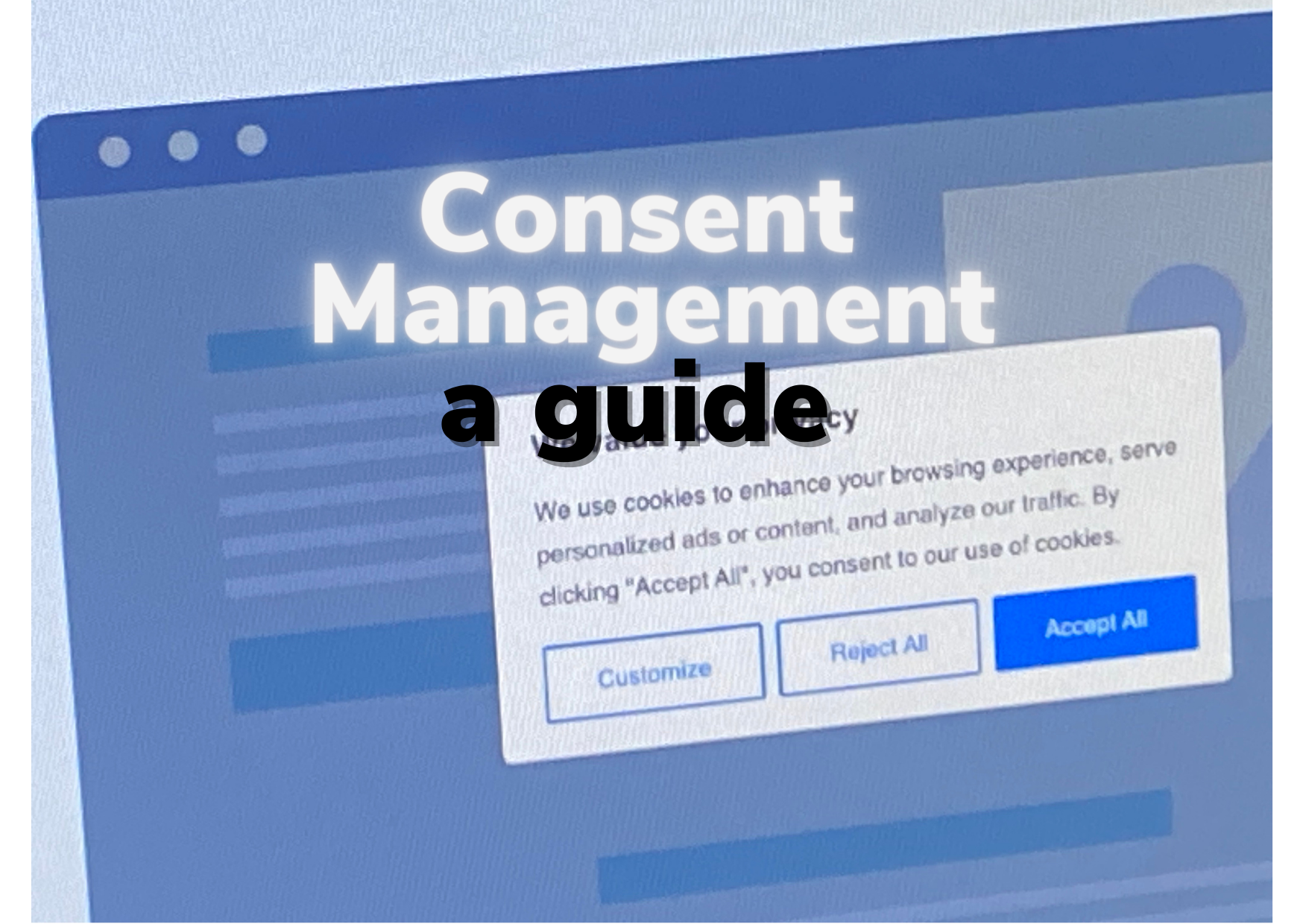
Managing cookie consent for affiliates
Since GDPR legislation strengthened consent definitions, compliance with PECR regulations has made user consent "the first thing that a website visitor reads."
Website owners face a challenging balance: ensuring lawful cookie acceptance while avoiding manipulative design patterns that sway visitors toward acceptance. The ubiquitous "I'm OK with Cookies" banner falls short of regulatory standards across most jurisdictions.
A properly compliant consent management platform (CMP) risks high rejection rates. The UK ICO website experienced this issue, with "an initial CMP so heavily compliant that it led to a 95% rejection of cookies."
Most websites now adopt a balanced approach. Understanding consent impact on the "Memory Cookie" in affiliate tracking remains essential. Read more in the article on "Reading Affiliate Cookies."
Choosing a privacy technology
The consent technology market is highly active, with over 120 options listed on review sites. Here are the top performers:
Top 5 by review ratings
- CookieYes -- 4.8/5 from 107 reviews
- Mine PrivacyOps -- 4.8/5 from 145 reviews
- illow -- 4.9/5 from 80 reviews
- Segment -- 4.6/5 from 496 reviews
- Didomi -- 4.6/5 from 71 reviews
Top 5 by market presence
- OneTrust
- Segment
- Salesforce Platform
- Usercentrics
- Quantcast

These platforms are "viewable in a satisfaction grid" comparing ratings against market presence.
Other review sites like Capterra show different results and tend toward commercially-driven, sponsored rankings. Providers offer functionality ranging "from simple tools to fully integrated privacy suites for global enterprise websites."
Consent requirements in Affiliate Marketing
Moonpull analysis shows OneTrust dominates, with "58% of Moonpull's advertisers having it as their CMP of choice."
Enterprise users praise OneTrust for ease of use: "The script on our sites does not need to change. Onetrust will make geolocation changes automatically occur. We can push out to sites from our consent management."
Most CMPs are well-configured, adapting to market-specific privacy requirements while maintaining compatibility with other website tools.
Consent management platform pricing
Pricing ranges from freemium options -- such as CookieYes, Iubenda, and Osano with simple WordPress plugins -- to comprehensive privacy suites exceeding $100 monthly with CRM and web tool integrations. This variation supports diverse implementation approaches covered in the article on "Cookie Consent Banners."
CMPs for publishers
Privacy compliance extends beyond advertisers; all publisher websites must address the issue. "What's New In Publishing made recommendations" for publisher sites during early GDPR adoption, reporting "113 IAB registered CMPs available, 29 of which were publisher specific."
Publisher adoption leaders included Quantcast, Captify, Iubenda, Cookiebot, and OneTrust.
UPDATE: In France and the UK, regulatory rulings permit advertisers to set affiliate cookies as essential for cashback and reward publisher partners. Publishers increasingly judge advertiser promotion based on how affiliate team members configure CMPs.
Importance increasing on a global basis
Following GDPR's European lead, privacy legislation is rolling out globally, with recent enactments or pending bills in Australia, California, Colorado, Connecticut, Thailand, and more.
From June 2023, five additional US states introduced privacy laws: Indiana, Montana, Tennessee, Florida, with Texas following soon after.
UPDATE -- as of June 2024: 20 US states have enacted privacy legislation.
The challenge lies in regional variations: "Each of these new rules will be subtly different from state to state. Each market has quite different regulations and many of the CMPs available are configured to accommodate these."
The impact on affiliate tracking
What consequences follow for affiliate marketing? CMPs affect conversion rates across almost every channel. Recent "research published in the Drum" indicates "the proportion of web users refusing cookie consent is in excess of 40%."
European legislation requires withholding first-party tracking cookies and scripts until consent is granted. This substantially reduces tracked sales. However, Moonpull's analysis across thousands of link audits finds "not all affiliate advertisers apply this rigorously and all cookies are routinely applied as a user is redirected to the landing page."
UPDATE: France and UK rulings allow advertisers to set affiliate cookies as essential for cashback and reward publisher partners, exempting them from CMP consent requirements.
Understanding CMP effects on the "Memory Cookie" remains critical for all involved in the "affiliate handover" process. Knowing the proportion of consumers rejecting cookies helps publishers estimate missed commission. Moonpull's scheduled auditing identifies these details, enabling informed advertiser conversations about appropriate service rewards.
Additional guidance appears in "9 Tips to Fix Tracking Issues."